Contact Us
chromium carbide overlay wear plate

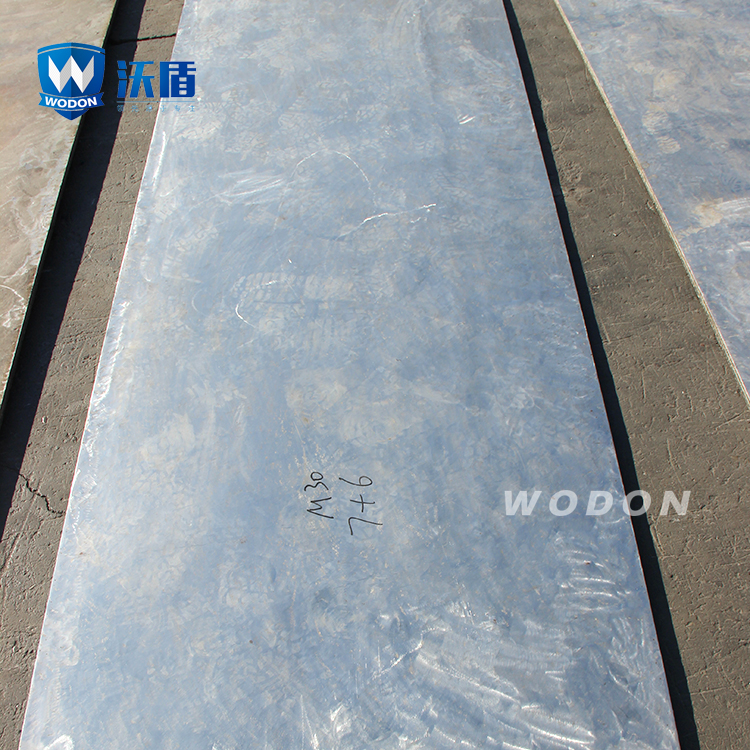
Chromium Carbide Overlay (CCO) Wear Plate

Solve Your Most Severe Wear Problems | Reduce maintenance shutdowns | Customize Size & Complex Fabrication

Get Instant Quote

ABOUT WEARThe Hidden Wear Problems That Drain Your Profit

    Frequent Replacement = Rising Operational Costs

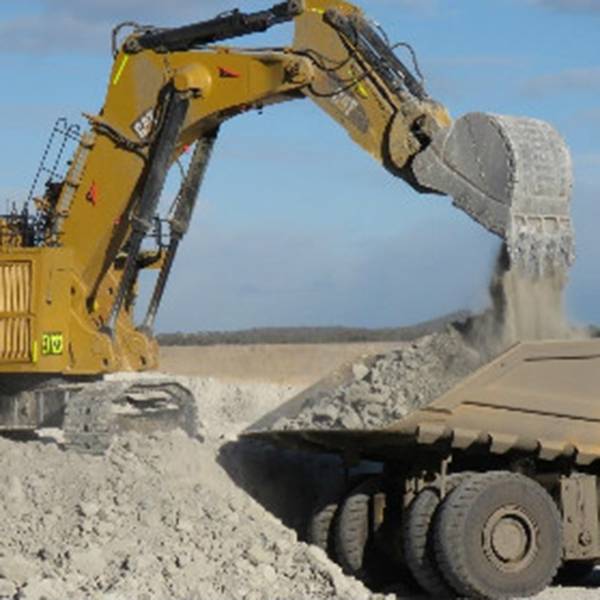
    Critical wear components—such as hopper liners, bin liners, chute liners, and screen plates—often wear out far earlier than planned. This results in constant replacements, increased labor hours, and high spare-parts inventory pressure, directly impacting operational budgets.


    Conventional Plates Plateau in Demanding Conditions

    NM400/AR400 are reliable for general wear, but in high-abrasion or mixed-impact environments, they quickly reach their limits:

    •Faster thinning under continuous sliding abrasion
    •Unstable performance when impact and abrasion occur together
    •Shorter service life in high-output, 24/7 operations

    Even with regular maintenance, wear parts in heavy-duty environments degrade faster than expected. This leads to escalating production costs, unstable performance, and constant operational stress.
    wear issues

    Proven by a 1,000-Hour Wear Test
    How much longer does a CCO Wear Plate actually last than 40 Wear Resistant Steel Plate?

    Our side-by-side field test under identical mineral processing conditions showed:

    •2.88× lower wear rate
    •Superior structural stability
    •No cracking, deformation, or loosening after 1,000 hours
    View the Complete Wear Test  yh-product-more

    WHY CHOOSE OUR CCO WEAR PLATES?

    Precision-Matched to Your Wear Challenges

    Wear problems are rarely identical—abrasion angles, impact frequency, particle size, and temperature conditions vary widely.

    We provide application-driven customization:
    • Sliding abrasion / high-impact / high-temperature
    • Custom thickness structures (e.g., 6+4 / 8+6 / 10+10 )
    • Ready-to-install components: chute liners, hopper liners, silo liners

    In-house: from Alloy Formulation to Plate Fabrication

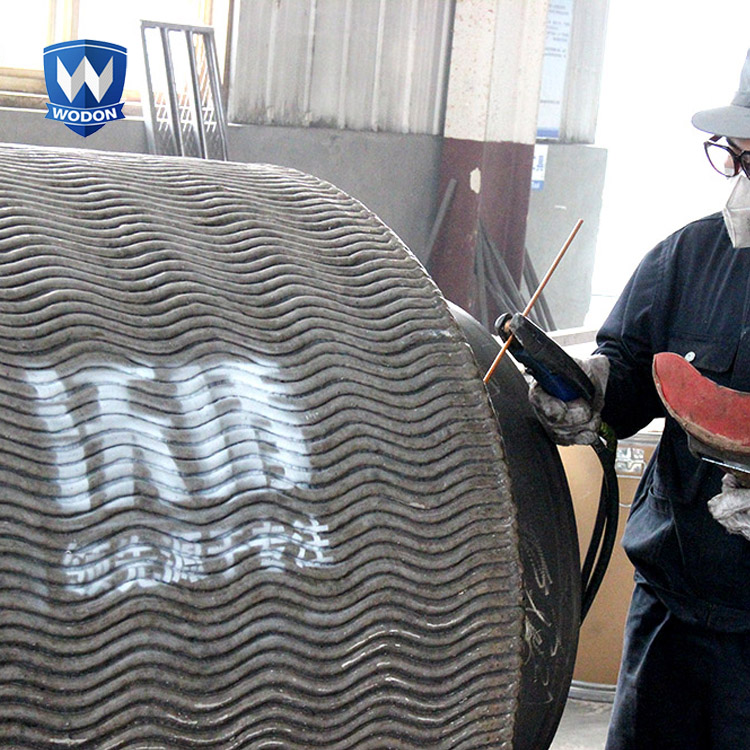
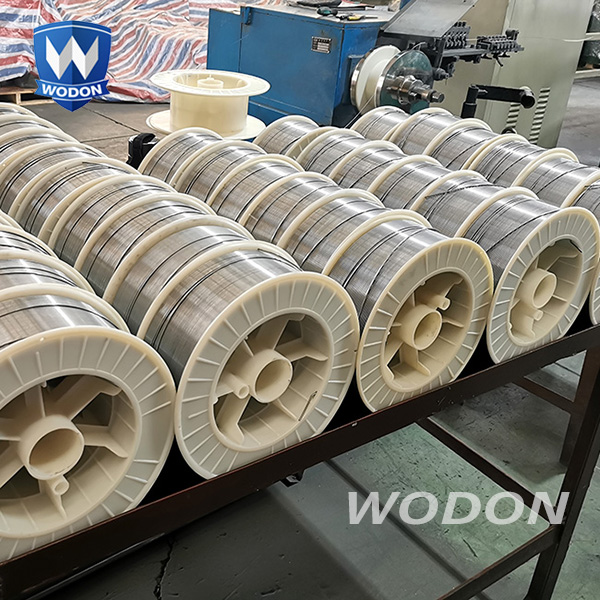
    All critical procedures—powder batching, flux-cored wire production, automated overlay welding, precision cutting, surface finishing—are completed in-house.

    This guarantees stable hardness, predictable wear life, and repeatable quality for large-volume orders.

    Consistent Performance Across Every Batch

    The true performance of a CCO wear plate comes from metallurgical stability—not just hardness numbers.

    Our controlled metallurgical engineering ensures every plate behaves exactly as expected:
    • Precise Cr/C ratio control keeps carbide volume fraction consistent across batches
    • Batch-to-batch microstructure consistency guarantees predictable wear curves, reducing unexpected downtime
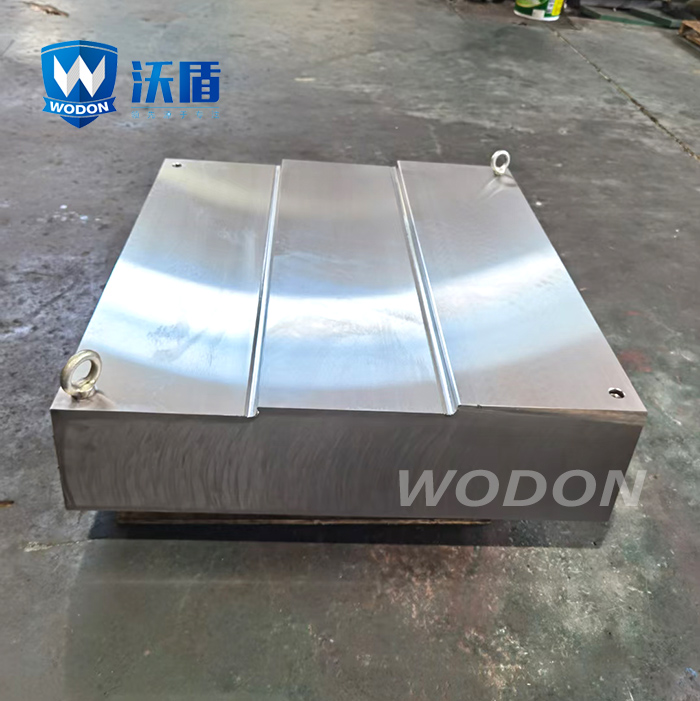
    • wd-1900 custom smooth wear part
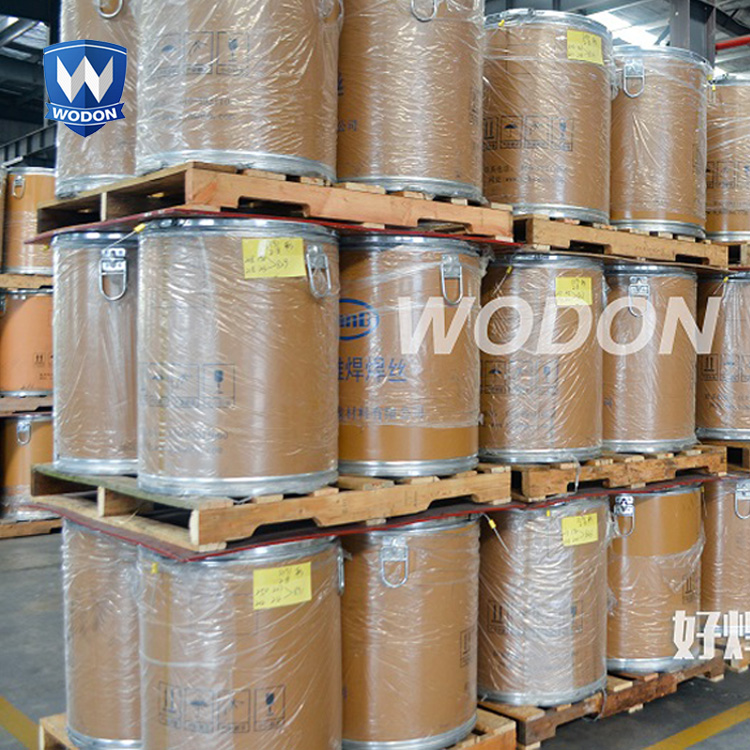
    • welding wire powder
    • welding machine

    Service Life Comparisons

    Grade Compared to Low Carbon Steel Compared to Heat-Treated Steel
    Wodon Chromium Carbide Overlay Plate 15x 5-8x
    • Microstructure

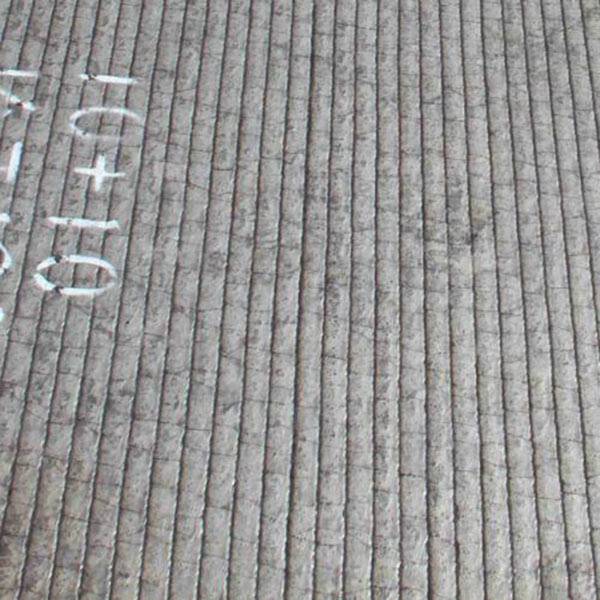
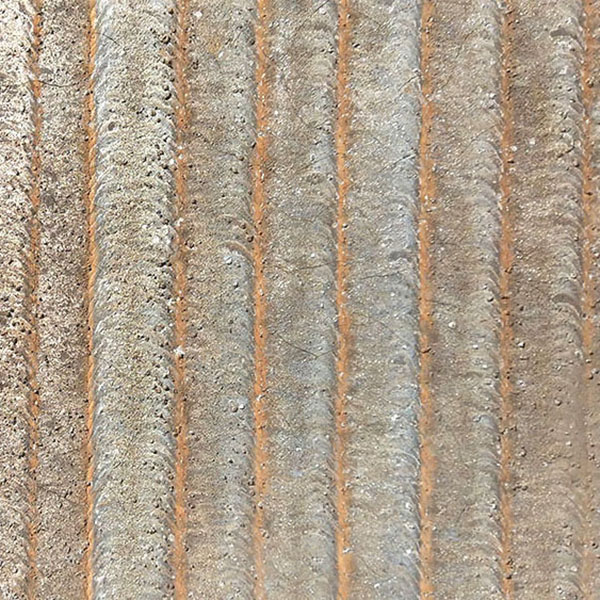
      Sample taken from a Wodon 10+10mm chromium carbide wear plate.

      chromium-carbide-wear-plate-Microstructure
    • Composite structure

      Q235/Q355 base plate + chromium carbide overlay

      chromium-carbide-wear-plate-structure

    WODON WEAR PLATE GRADE CHART

    Product Images Model Hardness Wear Resistance Impact Resistance High Temperature Resistance Recommended Applications
    wd1100 WD-1000/1100 HRC 58-65 General abrasion Low to medium Up to 600°C • Conveyor Liners
    • Cement Mixer Liners
    • Hopper / Chute Liners
    WD-1200/1500 WD-1200/1500 HRC 58-65 Severe abrasion Low to medium Up to 600°C • Bucket Wheel Excavator Buckets
    • Conveyor Chute Liners
    • Crusher Liners
    • Port Discharge Pipe Liners
    • Sinter Crusher Liners
    WD-1900 WD-1900 HRC 55-63 Severe abrasion Medium to high Up to 600°C • Chute Liners
    • Feed Bins
    • Crusher Liners
    • Screen Plates
    • Hopper Liners
    • Dozer Blade Liners
    WD-G900 WD-G900 HRC 58-65 General abrasion General impact Up to 850°C • Chute Liners
    • Cyclone Separator Housing
    • Boiler Tubes
    • Discharge Pipes
    WD-1600 WD-1600 HRC 55-65 High wear resistance High / • Crusher Liners
    • Grinding Rollers
    • Grinding Tables
    • Discharge Grabs
    • Sinter Crusher
    • Stacker-Reclaimer
    WD-NC100 WD-NC100 HRC >45 / High / • Rolling Mill Sliding Plates
    • Sliding Blocks
    • Side Guide Plates
    WD-D3000 WD-D3000 HRC 58-65 Tailored Tailored Tailored Tailored

    ISO9001-certified manufacturing

    FULL FABRICATION SERVICE

    Performance-proven in heavy industries worldwide

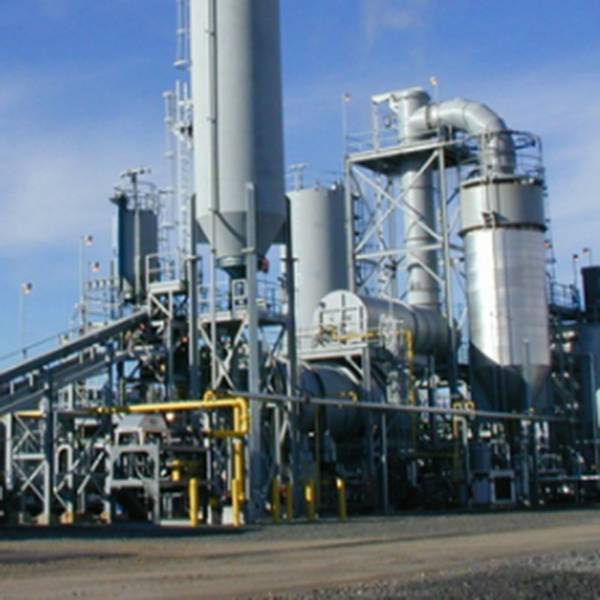
    WHERE CCO WEAR PLATES ARE USED

    Equipment wear is a core problem that restricts production efficiency and increases operational costs—every shutdown to replace worn parts means production interruption and economic losses.

    With the composite advantage of "substrate toughness support + high-hardness wear-resistant surface", hardfacing wear plates can adapt to the complex working conditions of high wear, high impact, and high temperature in various industries.

    COMMON MISCONCEPTIONS ABOUT WEAR-RESISTANT STEEL PLATES

    Wear-resistant steel plate is a broad category that includes multiple material systems and various manufacturing processes. Chromium Carbide Overlay (CCO) wear plates represent only one sub-category or a special type within this large family.

    CCO wear plate ≠ NM400 / AR400
        NM400 / AR400
        • • Definition: Quenched & Tempered (Q&T) steel plate.
        • • Type: A high-hardness low-alloy steel.
      CCO Wear Plate
      • • Structure: Low-carbon steel base + welded overlay layer.
      • • Type: A composite plate with a "wear-resistant surface."
    Formation Mechanism
      CCO wear plates are manufactured through hardfacing overlay welding. The process includes the following stages:
      • Overlay Welding
        Specialized flux-cored wires are melted and deposited onto the steel base plate.
      • High-Temperature Austenitic Phase
        Cr and C elements dissolve fully in the austenitic matrix within the molten pool.
      • Carbide Precipitation
        During cooling, large quantities of primary Cr₇C₃ carbides precipitate and distribute within the martensitic matrix.
      • Martensitic Matrix Formatio
        Remaining austenite rapidly transforms into martensite (providing high hardness), while a small amount of retained austenite improves crack resistance.
      • Metallurgical Bond
        The overlay layer is metallurgically bonded to the base plate, forming a high-hardness, high-wear-resistant composite structure.
    Key Performance Enhancements
    • • Metallurgical bonding prevents delamination.
      • High volume fraction of chromium carbides forms a rigid wear-resistant skeleton.
      • Directional solidification improves resistance to erosion and abrasion.

    Not sure which model fits your working conditions?

    Tell us your application — we will recommend the wear plate for you.

    One-on-One Consultation